





Remote vs onsite software engineer Jobs in 2026 has become more important than ever. What started as a pandemic-driven shift is now a permanent evolution in how tech companies operate.
In 2026, engineers are no longer asking “Can I work remotely?” — instead, they’re asking:
- Which model pays more?
- Where is career growth faster?
- What do top engineers actually prefer?
This blog gives you a data-driven comparison backed by insights from platforms like
👉 https://www.glassdoor.com
👉 https://www.levels.fyi
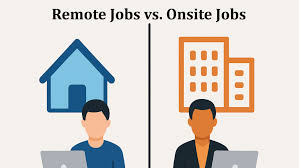
Salary Data: Remote vs Onsite Software Engineer 2026
Remote Salary Insights (2026)
According to recent data:
- Entry-level: $90K – $125K
- Mid-level: $125K – $165K
- Senior: $165K – $220K+
Average remote salary:
- ~$150K base + bonuses
For Indian developers:
- ₹45–90 LPA (top startups)
- $80K–$150K remote international roles
👉 Remote engineers working for global companies often earn 10–20% less than US peers, but still significantly more than local salaries
On-Site Salary Insights
On-site salaries vary by city and company:
- High-paying tech hubs (Bangalore, SF, NYC)
- Strong benefits (PF, insurance, bonuses)
- Lower variance compared to remote
👉 Interestingly, some data shows remote engineers can earn ~20% more than onsite roles, especially in high-demand fields like AI
Career Growth: Which is Better?
Remote Career Growth
Pros:
- Faster exposure to global projects
- Work with international teams
- High ownership & independence
Cons:
- Less mentorship
- Harder networking
- Self-discipline required
👉 Growth depends heavily on self-learning and consistency
On-Site Career Growth
Pros:
- Direct mentorship
- Faster promotions in structured orgs
- Better visibility with managers
Cons:
- Office politics
- Limited exposure (sometimes)
- Slower innovation in some companies
What Engineers Prefer in 2026
Trends
- 60–70% engineers prefer remote or hybrid
- Fully remote companies are increasing
- Hybrid becoming default model
Real Reasons Engineers Prefer Remote
- No commute (saves 2–4 hours daily)
- Better work-life balance
- Freedom to live anywhere
- Higher savings (especially in India)
Why Some Still Prefer On-Site
- Social interaction
- Better learning early career
- Clear work boundaries
Global Opportunities: Remote Advantage
Remote work unlocked global hiring:
- Indian developers working for US startups
- Freelancing & contract roles
- Dollar salary while living in India
👉 This is called geographic arbitrage
Skills That Matter More Than Work Type
In remote vs onsite software engineer Jobs 2026, one thing is clear:
👉 Skills > Location
High-paying skills in 2026:
- Cloud (AWS, Kubernetes)
- AI/ML
- System Design
- Backend (Go, Rust, Node.js)
👉 These skills can increase salary by 15–25%+
Work-Life Balance Comparison
Remote
✔ Flexible schedule
✔ No commute
✔ More personal time
❌ Risk of burnout
❌ Work-home blur
On-Site
✔ Clear work hours
✔ Social environment
✔ Structured routine
❌ Commute stress
❌ Less flexibility
Pros & Cons Summary
Remote Jobs
On-Site Jobs
Pros:
- Higher earning potential
- Flexibility
- Global exposure
Cons:
- Isolation
- Self-discipline required
Pros:
- Better mentorship
- Networking
- Stability
Cons:
- Less flexibility
- Location restrictions
Future Trends (2026–2030)
- Remote-first companies will increase
- Hybrid will dominate big tech
- AI tools will make remote even easier
- Global hiring will become standard
👉 Remote is not a trend anymore — it’s the new normal
How to Choose: Remote vs Onsite?
Choose Remote If:
- You have 2+ years experience
- You’re self-disciplined
- You want higher salary
Choose On-Site If:
- You’re a fresher
- You need mentorship
- You prefer structured work
FAQ
1. Do remote engineers earn more in 2026?
👉 Yes, in many cases they earn equal or higher salaries, especially in global roles.
2. Is remote good for freshers?
👉 Not ideal — learning curve is harder.
3. Which is more stable?
👉 On-site jobs are generally more stable.
4. Can I switch from onsite to remote?
👉 Yes, after gaining 1–2 years experience.
Tips to Succeed in 2026

For Remote Engineers
- Build strong communication skills
- Maintain daily routine
- Focus on output, not hours
For On-Site Engineers
- Network actively
- Learn from seniors
- Avoid comfort zone
Example Scenarios
Example 1: Fresher
- On-site job: ₹6 LPA
- Remote job: ₹8 LPA (but less guidance)
👉 Best choice: On-site (learning first)
Example 2: Mid-Level Developer
- On-site: ₹18 LPA
- Remote: ₹35 LPA (international)
👉 Best choice: Remote
Gururo Tip Section (Important)
Platforms like Gururo help engineers:
👉 If your goal is remote job in 2026, focus on:
- DSA + System Design
- Real-world projects
- Consistency
Conclusion
The remote vs onsite software engineer Jobs 2026 debate is not about which is better — it’s about what’s right for your current stage.
If you play it smart:
👉 Start with learning
👉 Build strong skills
👉 Move to global opportunities
You can get the best of both worlds.