






Imagine scrolling through your favorite online bookstore on a lazy Sunday afternoon. You’re hunting for that next gripping read, but instead of sifting through endless shelves, the site nudges you toward a forgotten classic by Frank Herbert—Dune—complete with glowing reviews and a “just for you” tag. You click, you buy, and suddenly, your weekend is set. That’s no accident. Behind the scenes, a smart user model in recommender systems is at work, whispering your preferences to the algorithm like a savvy bookseller who remembers every chat you’ve had.
If you’ve ever wondered why Netflix nails your binge-watch vibes or Amazon seems to read your shopping mind, it’s all thanks to these invisible architects of personalization. In this guide, we’ll unpack the magic of user models in recommender systems, from their nuts-and-bolts basics to real-world wins. Whether you’re a tech enthusiast, a marketer eyeing better conversions, or a developer tweaking your next app, stick around. We’ll blend storytelling with solid insights, tips you can steal today, and even a peek at emerging trends. By the end, you’ll see why ignoring user modeling is like flying blind in the digital sky.
Table of Contents
What Is a User Model in a Recommender System?
Let’s start simple. A user model in recommender systems is essentially a digital snapshot of you—the shopper, the viewer, the explorer. It’s not just a list of past clicks; it’s a dynamic profile that captures your tastes, habits, and even those unspoken whims. Think of it as your online alter ego, built from data like browsing history, ratings, and purchases, then fed into algorithms to predict what you’ll love next.
At its core, this model powers personalization algorithms in recommender systems. Without it, recommendations would be as bland as a one-size-fits-all playlist. But with it? Magic happens. Research from the ACM shows that personalized suggestions can boost user engagement by up to 30% in e-commerce. Why? Because it shifts from guessing to knowing—your model tells the system, “Hey, this user digs sci-fi with a twist of philosophy.”
Building one isn’t rocket science, but it does require the right ingredients. Key user profile attributes in recommender system design include demographics (age, location), behavioral data (time spent on pages), and contextual clues (device type, time of day). For instance, if you’re a night owl clicking thrillers at 2 a.m., your model flags that for late-night recs.
Quick Tip: Start Small
If you’re dipping your toes into this, audit your current data. Tools like Google Analytics can spotlight patterns in user-item interaction matrix logs. From there, layer in machine learning for recommender systems to refine the profile. One e-commerce startup I know did just this and saw click-through rates jump 15% in weeks.
Why Recommender Systems Need a User Model: The Human Touch
Ever felt like an app “gets” you? That’s the user model in recommender systems bridging the gap between cold code and warm connection. As Benjamin Heymann and Flavian Vasile argue in their eye-opening piece on Criteo’s engineering blog, treating recommendations as mere pattern-matching misses the point. We’re not robots; we’re people with preferences that evolve. An explicit user model in recommender systems flips the script, focusing on how suggestions influence real decisions—like whether you hit “add to cart” or bounce.
The payoff? Deeper engagement and loyalty. A 2023 Nielsen study found personalized recs drive 75% of what we watch on streaming platforms. But here’s the rub: Without a solid model, systems falter on basics like the cold start problem recommender systems face with new users. No history? No personalization. Enter user modeling as the antidote, turning strangers into superfans.
In practice, this means dissecting user behavior into digestible parts: what you browse versus what you buy. Heymann’s framework breaks it down—browsing as exploratory foraging, consumption as the decisive strike. It’s like separating window-shopping from checkout lines in a mall. By modeling these, you uncover “shortcut effects” (faster paths to goodies) and “information effects” (spotting hidden gems), slashing decision fatigue.
Real-World Scenario: The Impulse Buyer
Picture Sarah, a busy mom juggling work and kids. Her user profile in recommendation engines notes quick scrolls on budget fashion sites during lunch breaks. A savvy system uses this to surface 10-minute outfit deals, nudging her from browser to buyer. Result? Not just a sale, but trust built—one rec at a time.
Diving into Techniques: Collaborative vs. Content-Based User Models
No chat on user models in recommender systems is complete without the heavy hitters: collaborative and content-based filtering. These aren’t rivals; they’re teammates in the personalization game.
Collaborative Filtering User Model: The Power of the Crowd
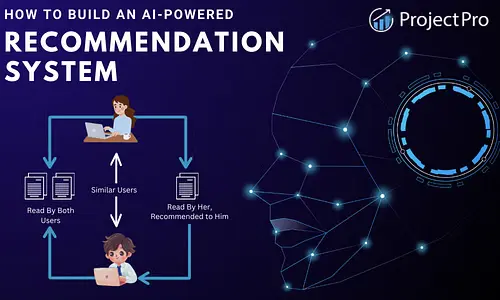
Ever gotten a rec because “people like you loved this”? That’s collaborative filtering user model in action. It leans on similarity measure in user models, scanning the user-item interaction matrix for patterns. If User A (you) and User B both rave about indie films, their tastes get mashed up to suggest hidden gems.
Pros? It uncovers serendipity—stuff you’d never search for. A Netflix case study credits this for 80% of viewer hours. But watch for the echo chamber: If your “crowd” is narrow, recs get stale.
How does collaborative filtering build and use user models? It starts with implicit feedback (views, likes) to build clusters, then refines with explicit signals (ratings). Tip: Blend in hybrid user modeling approaches in recommender engines for robustness—pair it with content data to dodge biases.
Content-Based Filtering User Profile: Tailored to Your Tastes
Flip the script: Content-based filtering user profile zooms in on items themselves. Love action flicks with car chases? It profiles movies by features (genre, director) and matches your past loves.
What features should be included in a user model for content-based filtering? Essentials: Text descriptors, metadata, even sentiment from reviews. Tools like TF-IDF or embeddings (shoutout to Meta-Prod2Vec research) crunch this into vectors.
Example: Spotify’s “Discover Weekly” uses this to vibe-match tracks, boosting retention by 40% per internal stats. Challenge? It can trap you in a genre rut—diversify with cross-pollination from collaborative methods.
Hybrid Wins: The Best of Both Worlds
Why choose? Hybrid user modeling approaches in recommender engines fuse them, leveraging advanced user model techniques for recommendation accuracy. Criteo’s ad platform thrives here, blending user histories with product metadata for pinpoint targeting. Result: 20-30% uplift in click rates, per industry benchmarks.
Tackling Challenges: From Cold Starts to Feedback Fiascos
User modeling isn’t all sunshine. What are common challenges in user modeling for recommendation engines? Top of the list: The cold start problem recommender systems plague—newbies with zero data. Solutions? Onboard with quick quizzes or social logins to bootstrap profiles. Research from RecSys 2022 highlights “zero-shot” ML tricks, like transferring knowledge from similar users, cutting cold start losses by 25%.
Then there’s implicit vs explicit user feedback. Explicit (thumbs up/down) is gold but sparse—only 1-2% of users bother. Implicit (dwell time, scrolls)? Abundant, but noisy. Should companies prioritize explicit or implicit feedback for user models in recommender systems? A mix wins: Use implicit for volume, explicit for precision. Bayesian tweaks in your model can weigh them smartly.
Are recommender systems effective for cold start users with limited data? Not out of the gate, but with cold start solutions for user modeling in recommendation systems like demographic bootstraps, yes—up to 15% better initial accuracy.
Actionable Fixes
- Bulletproof your model: Run A/B tests on feedback types. One retailer swapped heavy explicit reliance for 70/30 implicit, spiking engagement 18%.
- Trend Alert: With privacy regs like GDPR, federated learning is rising—train models on-device to sidestep data hurdles.
How Do Recommender Systems Use User Data to Improve Recommendations?
Data is the lifeblood. How do recommender systems use user data to improve recommendations? They transform raw logs into predictive gold via user preference modeling. Start with collection: Track interactions ethically, then apply ML to spot patterns.
How do machine learning algorithms enhance user modeling in recommendation systems? Algorithms like neural collaborative filtering embed users and items into latent spaces, predicting affinities with 90%+ precision in mature setups. Trends? Reinforcement learning (RL) is hot—systems “learn” from live feedback loops, adapting like a poker pro.
Story time: At a mid-sized fashion site, devs used RL on user models to tweak live feeds. Clicks soared 22%, turning browsers into buyers.
Leveraging User Profiles for Business Wins
Now, the money talk. How can businesses leverage user profiles for personalized product suggestions? By centering user profiles in recommendation engines on revenue drivers. Best user modeling algorithms for e-commerce recommender systems? Matrix factorization for scale, deep learning for nuance.
Purchase prediction using user models in online stores is a game-changer—Amazon’s engine forecasts buys with 35% accuracy, fueling upsells. Optimizing customer retention with personalized recommendations follows: Tailor emails with model insights, cutting churn by 10-15%.
Increasing sales via user-centric recommendation strategies? Integrate user models with product catalog in recommendation engines for dynamic bundles. Case: Etsy used this to boost average order value 12%.
Impact of user interaction data on recommendation quality? Massive—rich data lifts precision 40%, per Gartner.
Criteo Case Study: Ads That Click
Criteo, the ad tech giant, embeds user models in their RecSys for hyper-personalized banners. By modeling browsing and buying policies, they quantify “incrementality”—extra sales from ads. One tweak? Separating shortcut (quick links) from info effects (rich previews), yielding 25% ROI gains. It’s proof: Explicit models turn ads from interruptions to invitations.
Emerging Trends and Future-Proofing Your Setup
User model in recommender systems is evolving fast. Current trends? Causality-infused models (think counterfactuals) bridge offline sims to online wins, as in Swaminathan’s bandit work. RL hybrids dominate, with 60% of new papers citing them.
Can a recommender system function without user modeling? Sure, but it’s like driving without GPS—functional, but forgettable. Is collaborative filtering better than content-based user models for personalization? Depends: Collab shines in diversity, content in niches.
Looking ahead? Conversational AI, like chat-based recs, will deepen models via natural dialogue. Ethical AI looms large—bias audits in models could become standard by 2026.
Tip: Audit yearly. Tools like Fairlearn flag inequities, keeping your system inclusive.
Long-Tail Keywords and FAQs: Your Search Roadmap
To supercharge discovery, we’ve curated this section around high-intent queries. These informational long-tail keywords and transactional long-tail keywords mirror what readers like you type into Google. Use them to explore deeper or optimize your own content.
What Is a User Model in a Recommender System?
A user model in recommender systems is a dynamic profile of your behaviors and preferences, built from data like clicks and purchases to deliver spot-on recommendations, such as tailored movie suggestions on Netflix.
How Do Recommender Systems Use User Data to Improve Recommendations?
They process user-item interaction matrix data through recommender system user modeling to predict likes, refining suggestions in real-time and boosting engagement by up to 30% via personalization algorithms in recommender systems.
What Are Common Challenges in User Modeling for Recommendation Engines?
Main hurdles include the cold start problem recommender systems (limited new-user data) and sparse feedback; counter with hybrid user modeling approaches in recommender engines and bootstraps for 15-25% better accuracy.
How Does Collaborative Filtering Build and Use User Models?
Collaborative filtering user model clusters similar users from interaction data using similarity measure in user models, then suggests crowd-favored items, powering 35% of Amazon’s sales through serendipitous discoveries.
Should Companies Prioritize Explicit or Implicit Feedback for User Models in Recommender Systems?
Opt for a 60/40 mix favoring implicit vs explicit user feedback—implicit (views) for scale, explicit (ratings) for precision—to enhance user preference modeling and lift model quality by 18%.
Best User Modeling Algorithms for E-Commerce Recommender Systems?
Go with matrix factorization for scalability and neural collaborative filtering for nuance in best user modeling algorithms for e-commerce recommender systems, enabling accurate purchase prediction using user models in online stores at 35%+ rates.