






How to Transition from SWE to Product Manager —The software engineer to product manager transition is one of the fastest-growing career moves in the tech industry. As companies continue building complex digital products in 2026, the demand for Product Managers with strong technical backgrounds is increasing rapidly.
Software engineers already have a major advantage in product management roles. They understand how products are built, how engineering teams operate, and how technical decisions impact scalability, performance, and user experience. But moving from coding to product leadership requires far more than technical expertise alone.
The transition from Software Engineer (SWE) to Product Manager (PM) involves developing new skills in product strategy, customer research, stakeholder communication, prioritization, and business thinking. Many engineers struggle because product management sits at the intersection of technology, business, and user experience — not just execution.
The good news is that you do not need an MBA, years of management experience, or a risky career break to become a Product Manager. With the right roadmap, practical exposure, and consistent learning, engineers can successfully move into PM roles step by step.
This realistic 12-month roadmap will show you exactly how to transition from software engineer to product manager without quitting your job. Whether you want an internal promotion, a Technical Product Manager (TPM) role, or a complete career switch, this guide will help you build the skills, confidence, and experience needed to succeed in product management in 2026.
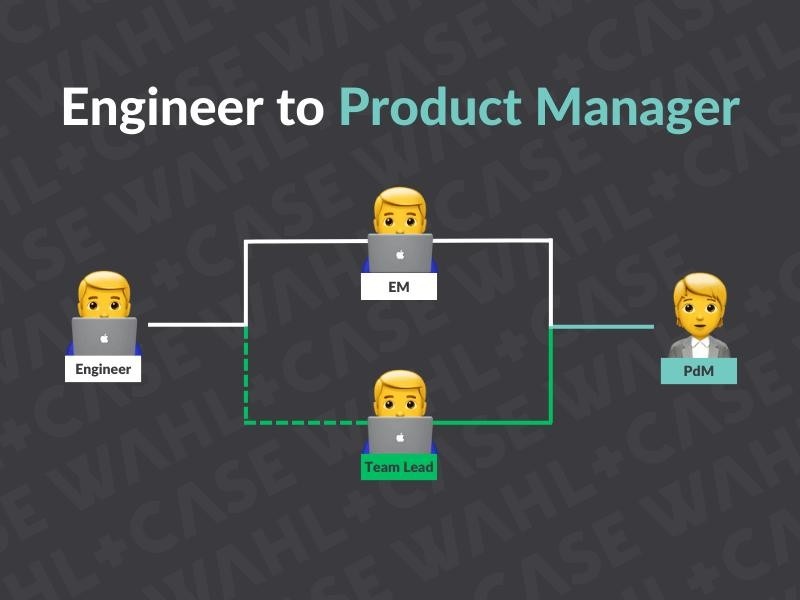
Table of Contents
How to Transition from SWE to Product Manager: A Realistic 12-Month Roadmap
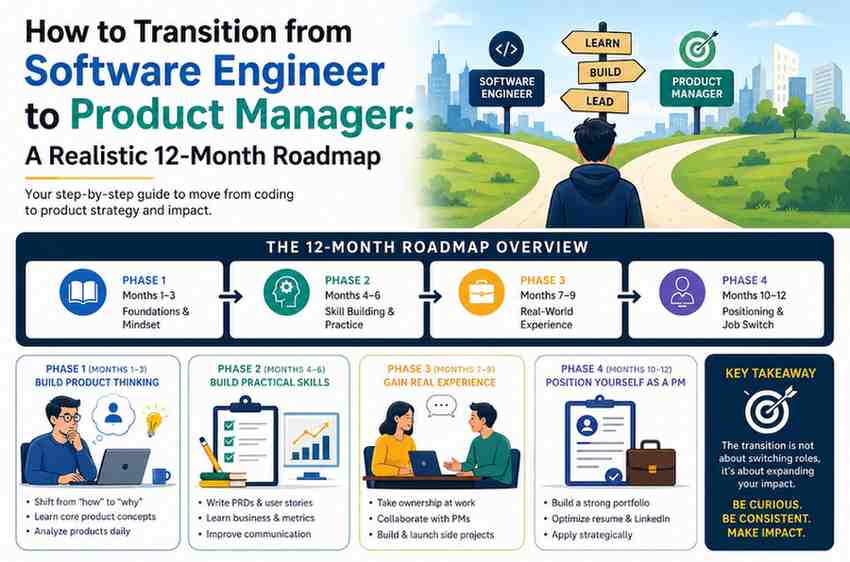
This software engineer to product manager roadmap is divided into four practical phases. Each quarter focuses on building the exact skills, experience, and product mindset needed to successfully transition into Product Management. Avoid rushing the process — every phase builds the foundation for the next.
Q1 (Months 1–3): Build a Strong Product Management Foundation
The first phase focuses on understanding what Product Managers actually do and how successful products are built. Start learning core product management fundamentals such as product strategy, product lifecycle, prioritization frameworks, agile workflows, customer discovery, and stakeholder communication.
Read top PM books, follow experienced Product Managers, join product management communities, and begin studying real-world product case studies. This is also the ideal time to find mentors who can guide your software engineer to product manager transition.
Q2 (Months 4–6): Develop Core PM Skills and Product Thinking
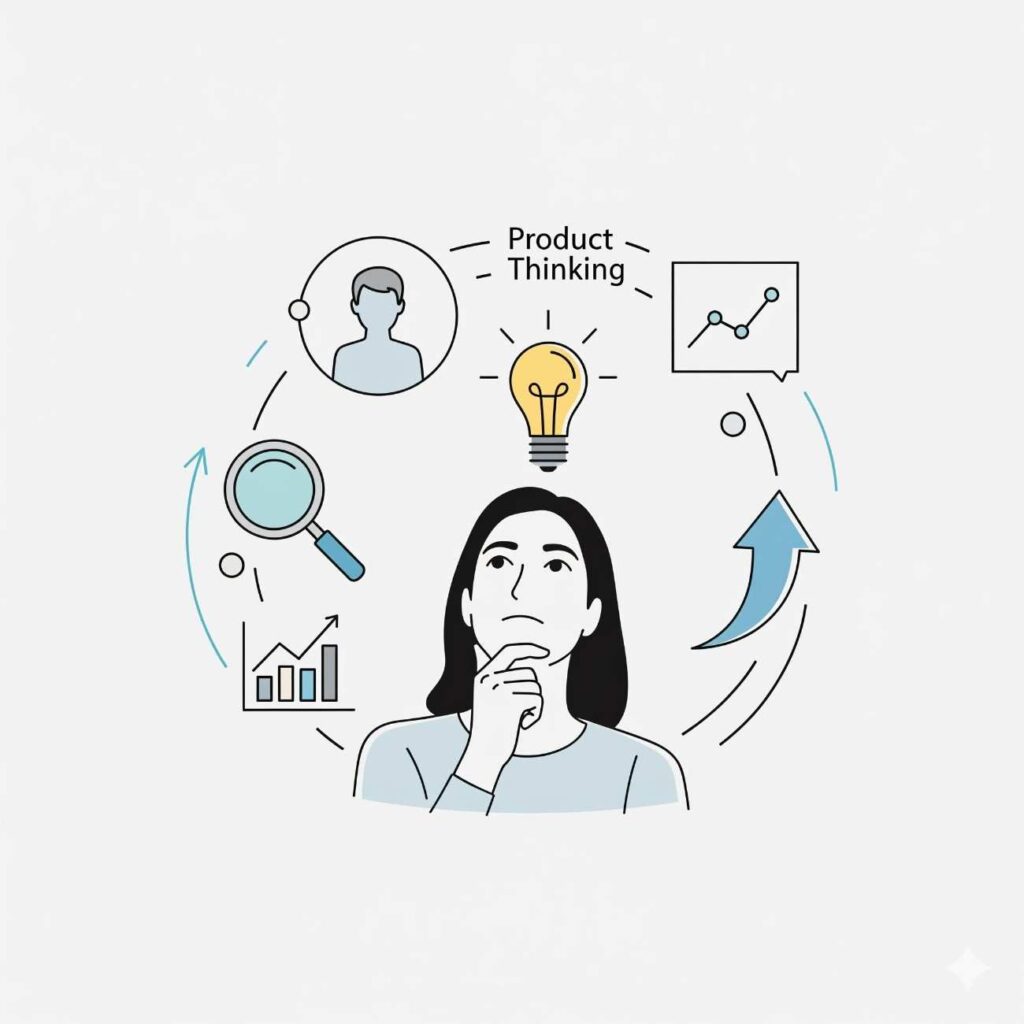
In the second phase, shift your focus from engineering execution to product thinking. Learn how Product Managers make decisions based on customer pain points, business goals, user behavior, metrics, and market opportunities.
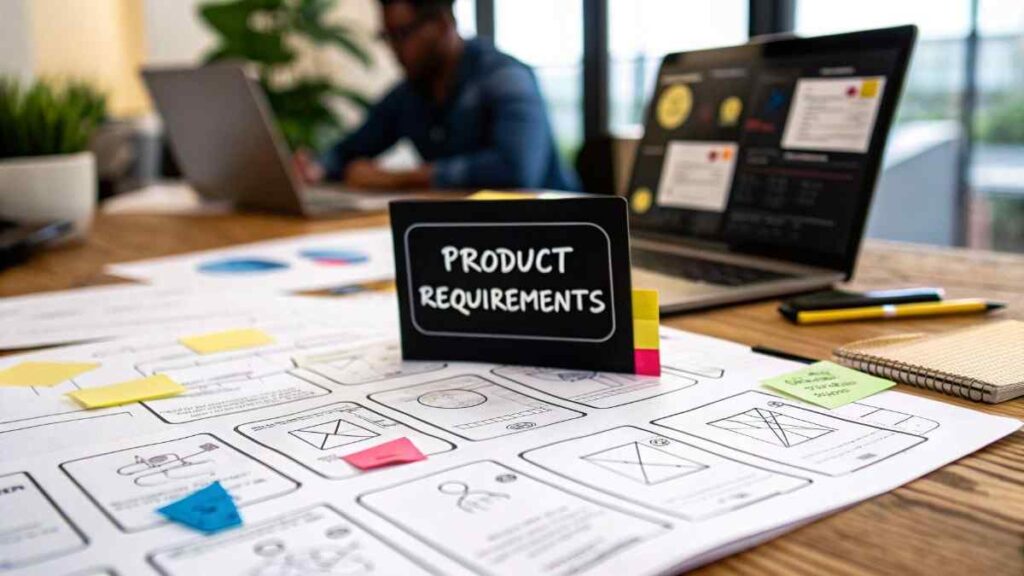
Practice writing PRDs (Product Requirement Documents), analyzing product metrics, defining OKRs, and solving product sense questions. Use your engineering background to create product case studies and demonstrate how technical knowledge can improve product decisions.
Q3 (Months 7–9): Gain Real-World Product Management Experience
This phase is all about practical exposure. Start taking ownership of PM-adjacent responsibilities in your current role. Volunteer for roadmap discussions, feature prioritization, sprint planning, user feedback analysis, or cross-functional collaboration.
Work on side projects, freelance products, or startup ideas to strengthen your Product Manager portfolio. Real-world experience is one of the most important factors in becoming a Technical Product Manager (TPM) in 2026.
Q4 (Months 10–12): Prepare for PM Interviews and Land the Role
In the final phase, focus on positioning yourself as a strong PM candidate. Optimize your resume for Product Manager roles by highlighting leadership, product impact, collaboration, and business outcomes instead of only technical contributions.
Prepare for Product Manager interviews, including product sense questions, metrics analysis, execution rounds, behavioral interviews, and case studies. Learn salary negotiation strategies and start applying for Associate PM, Technical Product Manager, and internal PM transition opportunities.
Why Engineers Make Great Product Managers — and Where They Struggle
Before diving into the software engineer to product manager transition roadmap, it’s worth being honest about both sides.
63%
2.4×
18mo
Your Engineering Superpowers as a PM
- You can spot technically infeasible ideas before they waste a sprint
- Developers trust you — you speak their language
- You understand tradeoffs between speed, quality, and scalability
- You can write user stories that engineers actually want to impleme
Where Engineers Typically Struggle
- Moving from “how” thinking to “why” and “who” thinking
- Influencing without authority — no more just writing the code yourself
- Saying no to features, especially to senior stakeholders
- Sitting with ambiguity instead of jumping straight to solutions
Strengths You Already Have:
- Strong problem-solving mindset
- Understanding of system architecture
- Ability to communicate with developers
- Analytical thinking and data interpretation
Gaps You Need to Fill:
- Customer empathy
- Business strategy
- Stakeholder management
- Decision-making under ambiguity
The software engineer to product manager transition is less about abandoning your technical skills and more about expanding your perspective.
The 12-Month Roadmap: 4 Phases
This software engineer to product manager transition plan is designed for someone currently employed as an SWE who wants to pivot internally or externally. Each phase builds on the last.
1. Foundation — Learn the PM Mental Model
Your goal this quarter is not to get a PM job — it’s to think like a PM. Start consuming product thinking frameworks actively, not passively.
- Read “Inspired” by Marty Cagan cover to cover and take notes
- Study product frameworks: Jobs-to-be-Done, OKRs, North Star Metric, RICE prioritization
- Do 5 user interviews on a product you use daily — write up findings
- Shadow your current PM if possible — attend every meeting you’re invited to
- Start a “PM journal” — critique 1 product decision per week in writin
2. Skill Building — Metrics, Strategy & Storytelling
This is where most engineers underinvest. Technical skills are table stakes for PM — the real differentiators are analytical storytelling and strategic thinking.
- Learn SQL deeply — run real queries on public datasets (Google BigQuery public data is free)
- Take a structured PM course — platforms like Gururo offer industry-relevant, mentor-led tracks
- Build a personal dashboard tracking a metric of any product you have access to
- Practice presenting to non-technical audiences — record yourself, review it painfull
3. Real Experience — Build Your PM Portfolio
Hiring managers won’t take your word for it — they want evidence. This phase is about getting PM-adjacent experience that you can talk about in interviews.
- Volunteer to own a small internal tool or feature at your current company
- Contribute to an open-source project — but this time, write the roadmap, not the code
- Offer free product consultation to a startup or NGO in your network
- Complete a PM case study competition (Product Buds, Exponent, PM exercises)
- Build a simple product yourself using no-code tools — go through the full process
How Gururo Helps at This Stage
Gururo’s mentorship program pairs aspiring PMs with experienced product leaders from companies like Google, Flipkart, and Razorpay. Their project-based curriculum means you graduate with actual PM artifacts — PRDs, roadmaps, and go-to-market strategies — not just a certificate. This is the kind of hands-on experience that stands out on a resume during a software engineer to product manager transition.
4. Job Search — Interview Like a PM
You’ve done the prep. Now it’s time to translate it into offers. PM interviews are unlike engineering interviews — they test structured thinking, product sense, and communication simultaneously.
- Master the 4 PM interview categories: product design, estimation, strategy, behavioral
- Practice mock interviews with real PMs — Gururo’s community and platforms like Exponent are gold here
- Update your resume to highlight impact, not tasks (“increased feature adoption by 23%” not “built feature X”)
- Apply for APM (Associate PM) or PM roles specifically targeting engineering backgrounds
- Target internal transfers first — your existing company’s credibility is a huge advantage
Skills You Need to Build Deliberately
The software engineer to product manager transition isn’t just a title change. These are the specific competencies you must develop:
1. User Empathy
User research is a method. User empathy is a muscle. It means genuinely understanding people’s frustrations, goals, and contexts — not just analyzing survey data. Practice by conducting at least 2 user interviews per month throughout your transition period.
2. Prioritization Under Constraints
Every PM has 37 things that “need” to happen this sprint. The job is saying no to 34 of them with a clear, defensible rationale. Practice frameworks like RICE (Reach, Impact, Confidence, Effort) and ICE scoring until they become second nature.
3. Writing That Moves People
PMs write constantly — PRDs, one-pagers, strategy memos, Slack messages to executives. Your writing must be clear, opinionated, and brief. Take a writing course. Edit your writing to half its original length. Then edit again.
4. Stakeholder Management
You will need to align engineers, designers, sales, marketing, and the CEO — sometimes in the same meeting — all of whom have different definitions of success. This is the hardest skill to teach and the most important to develop.
Real Examples from People Who Made the Switch
Priya — Backend Engineer to PM at a Series B Startup
Priya spent 4 years building payment infrastructure before making her move. She didn’t wait for permission — she started writing internal product memos no one asked for, sharing them with her PM. Within 6 months, she was co-owning a product area. Her engineering credibility made her the PM engineering teams actually wanted to work with. She made the official switch in 11 months.
Arjun — Frontend Developer to APM at a Tech Giant
Arjun enrolled in a structured PM program through Gururo, which helped him build a portfolio of product artifacts and gave him access to mentor mock interviews. He applied specifically to APM programs that valued engineering backgrounds and landed at a top-tier company on his second application cycle. His advice: “Don’t hide your engineering background — weaponize it.”
How Gururo Accelerates Your Transition
Why Aspiring PMs Choose Gururo
Gururo is a structured learning platform built specifically for tech professionals making career transitions. For those pursuing a software engineer to product manager transition, Gururo offers mentor-guided cohorts, live project sprints, and a community of peers at the same stage of their journey. Unlike generic online courses, Gururo’s programs are built around real PM workflows — you practice shipping, not just studying.
Three areas where Gururo specifically helps engineers making the leap:
- Structured curriculum that respects your engineering foundation and builds on it
- 1-on-1 mentorship from PMs at companies like Amazon, Swiggy, and Meesho
- Portfolio projects that give you tangible artifacts to show in interviews
Frequently Asked Questions
What skills do software engineers need to become product managers?
Software engineers transitioning into product management need skills beyond coding, including product strategy, communication, stakeholder management, prioritization, customer research, roadmap planning, and business thinking. Technical knowledge helps, but strong product sense and leadership are equally important.
Can a software engineer become a product manager without an MBA?
Yes. Many successful product managers transition directly from software engineering backgrounds without an MBA. Companies increasingly value technical PMs who understand systems, scalability, APIs, AI products, and engineering workflows.
How long does it take to transition from SWE to PM?
For most engineers, transitioning from software engineering to product management takes anywhere between 6–18 months depending on experience, networking, internal opportunities, and product exposure. A focused 12-month roadmap can significantly accelerate the transition.
Is product management better than software engineering in 2026?
Neither career path is universally better. Software engineering offers deeper technical specialization, while product management focuses more on strategy, business impact, leadership, and customer problems. The right path depends on your interests, strengths, and long-term goals.
What is the salary difference between software engineers and product managers?
At many tech companies, senior product managers and senior software engineers earn comparable compensation packages. However, compensation varies based on company, location, technical expertise, leadership responsibilities, and product impact.
What are the biggest challenges engineers face when moving into product management?
The biggest challenges include shifting from technical execution to customer-focused thinking, handling ambiguity, improving communication skills, prioritizing business outcomes, and influencing teams without direct authority.
Is technical product management a good career in 2026?
Yes. Technical product management is growing rapidly in AI, cloud computing, cybersecurity, SaaS, developer tools, and infrastructure companies. Technical PMs are highly valued because they combine engineering understanding with product strategy.
Final Word: The Transition Is Worth It
The software engineer to product manager transition is one of the most valuable career shifts in tech today. Moving from coding to product leadership requires more than technical expertise — it demands strategic thinking, customer understanding, communication skills, and the ability to make business-driven decisions.
Unlike traditional PM candidates, software engineers already understand how products are built. Their experience with system design, APIs, scalability, debugging, and engineering workflows gives them a strong advantage in technical product management roles. This technical background helps PMs collaborate effectively with developers, evaluate product feasibility, and make smarter roadmap decisions.
A structured 12-month roadmap can make the transition from software engineer to product manager much smoother. By focusing on product strategy, stakeholder communication, customer research, roadmap planning, and real-world product case studies, aspiring PMs can build the skills companies look for in 2026.
With the rising demand for Technical Product Managers (TPMs), companies are actively hiring professionals who can combine engineering knowledge with strong product thinking. Platforms like Gururo can further accelerate this journey through mentorship, mock interviews, PM frameworks, and hands-on product management learning.
In this guide, you’ll learn exactly how to transition from SWE to Product Manager with a realistic month-by-month roadmap designed for beginners, working engineers, and aspiring PMs in 2026.